


Insulation Installation in Phoenix, AZ
- 100% Satisfaction Guarantee
- 24/7
- Easy Online Pricing
Contact Us
Why Proper Insulation Matters in a Phoenix Home
Insulation installation puts material in the right assembly, at the right thickness, with no gaps. In Phoenix, the goal is to keep heat out, not in. That reverses where weak points appear. A Valley home takes heat in through the roof, garage wall, and every unsealed penetration.
We install insulation in the places that actually carry the load here:
- Attic floors. The single largest heat path in a Phoenix house, and the first place we look.
- Exterior walls. Closed cavities in older homes, and open framing during a remodel.
- Garage ceilings and shared walls. A hot garage bakes the room above it and the room beside it.
- Knee walls and bonus rooms. Small vertical walls behind attic space that are often left bare.
- Floors over unconditioned space. Rooms built over garages or open crawl areas.
- Soffits, chases, and dropped ceilings. Hidden voids that connect attic air to living space.
- Additions and converted spaces. New framing insulated to current standards before drywall.
- Light commercial buildings. Offices and suites where comfort and load both matter.
Services We Offer
- AC Coil Cleaning
- AC Compressor Replacement
- AC & Furnace Filter Replacement
- AC Installation
- AC Maintenance
- AC Repair
- Air Duct Cleaning
- Air Duct Sealing
- Blown‑In Insulation
- Ductless AC Installation & Replacement
- Ductless AC Repair
- Ductwork Repair
- Furnace Repair
- Heating Installation
- Heating Maintenance
- Heating Service
- Heat Pump Installation
- Heat Pump Repair
- Heat Pump Maintenance
- Home Energy Audits
- Insulation Company
- Insulation Installation
- Insulation Removal
- Refrigerant Leak Repair
- Thermostat Installation & Repair
- UV Light Installation
- Plumbing
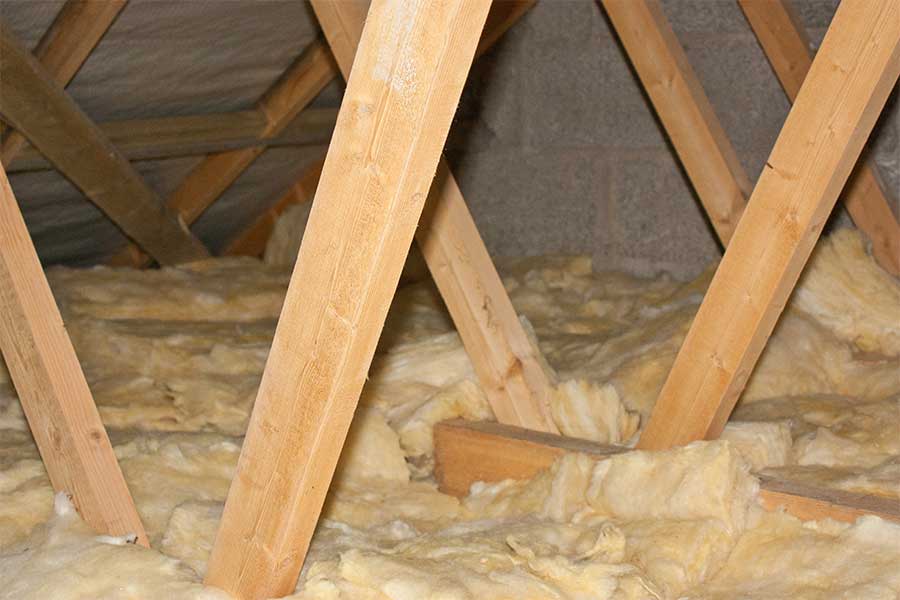
What Phoenix Code Requires When Insulation Is Installed
Phoenix insulation installation follows the city’s adopted building code, not a national default. The Phoenix City Council approved the 2024 Phoenix Building Construction Code, effective August 1, 2025. That package includes the 2024 International Residential Code and the 2024 International Energy Conservation Code.
This matters because insulation added during an addition, conversion, or permitted alteration must meet the current energy code. A contractor using an older standard can leave you with work that fails inspection.
Code shapes how you install material, not just how much. You must respect clearances around flues and heat-producing fixtures. Attic access ways need to remain usable. Baffles must keep soffit intake open after installation.
We handle permitted work as required by code. We confirm current requirements with the city before specifying a job. We install the assembly the plan calls for and leave attic access and ventilation intact. If a job needs a permit, we note it in the estimate.
What Your Neighbors Are Saying About Us
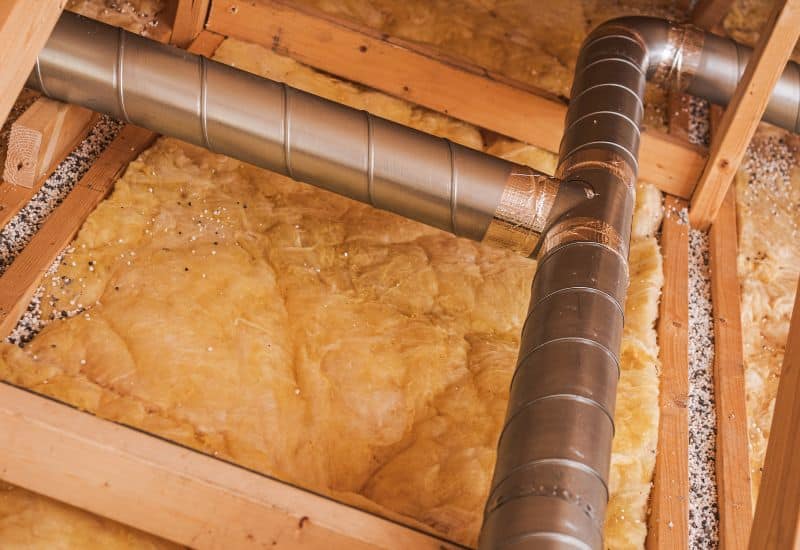
Signs You Need New or Additional Insulation
Insulation problems rarely announce themselves. They appear as rooms you avoid and bills you ignore.
- A room next to the garage you avoid in summer. An uninsulated shared wall moves garage heat straight into the house.
- Drafts at outlets and switch plates. Air moving through a wall cavity means the cavity is empty or poorly filled.
- An upstairs that never matches the downstairs. Heat under an untreated roof deck loads the upper floor first.
- An addition that has never been comfortable. Work done without inspection often skips the wall and ceiling assemblies.
- Interior walls that feel warm to the touch. Warmth on a wall shared with the garage or attic points to a missing barrier.
- One zone that short-cycles. A system fighting an uneven load usually has an envelope problem.
None of these signs alone prove a problem. Together they map where the envelope is open, and our inspection shows which assemblies are actually short.
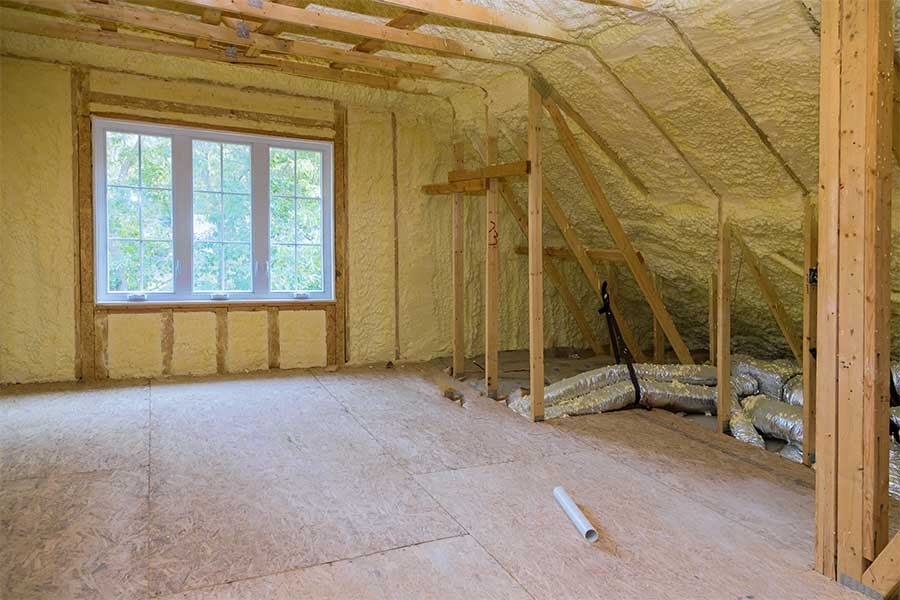
Our Insulation Installation Options
Material choice depends on the assembly and access. We match the option to the job, not preference.
- Blown cellulose. Dense loose fill for attic floors and closed wall cavities. It packs around wiring and framing and fills spaces batts cannot.
- Blown fiberglass. Lighter loose fill for attic floors. It resists moisture, settles more slowly, and puts less weight on older ceiling framing.
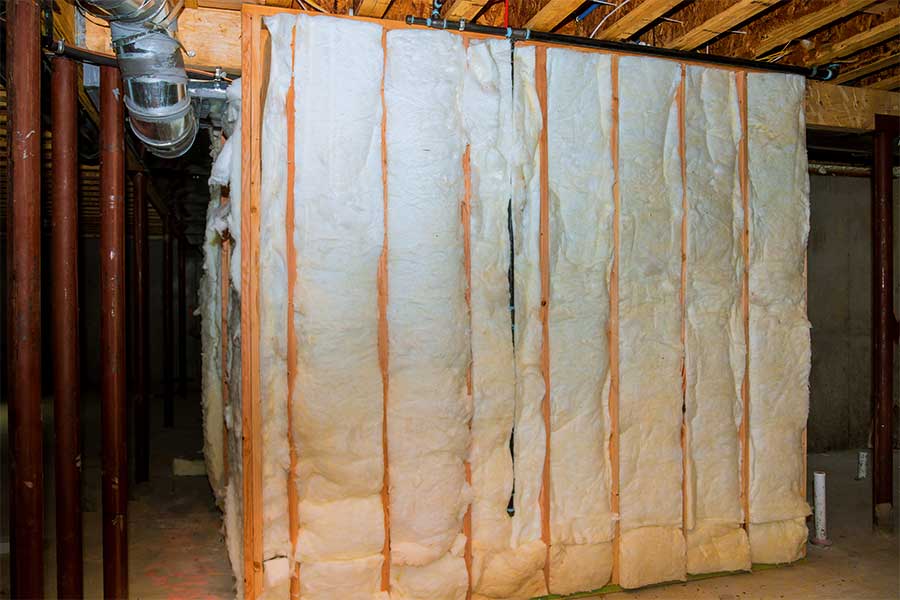
- Faced batt insulation. Batts with an attached facing for open framing in walls, floors, and additions. The facing handles vapor and gives the installer a fastening flange.
- Spray foam. Applied in place, it insulates and air-seals in one step. That suits rim joists, tight chases, and framing where loose fill will not stay put.
Access usually decides. An open remodel wall takes batts. A finished wall takes a dense pack. A chase you cannot reach takes foam.
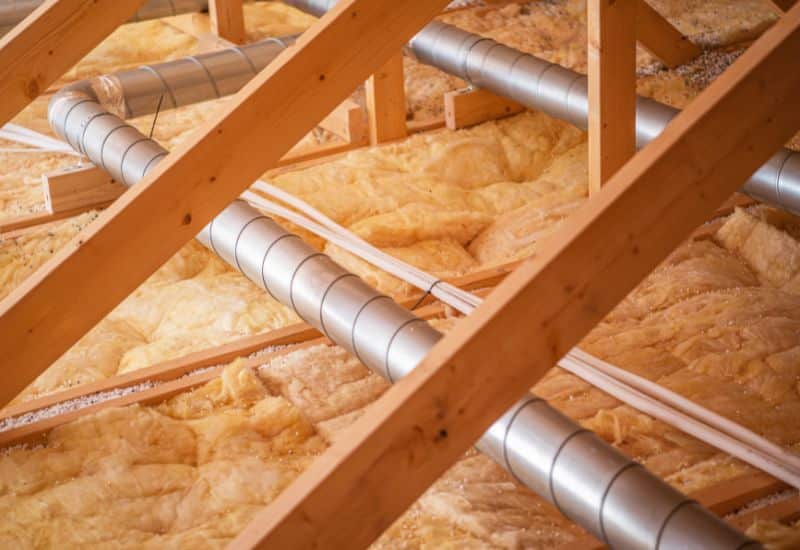
Our Insulation Installation Process
A good install is mostly preparation. Once the assembly is ready, we install the material quickly.
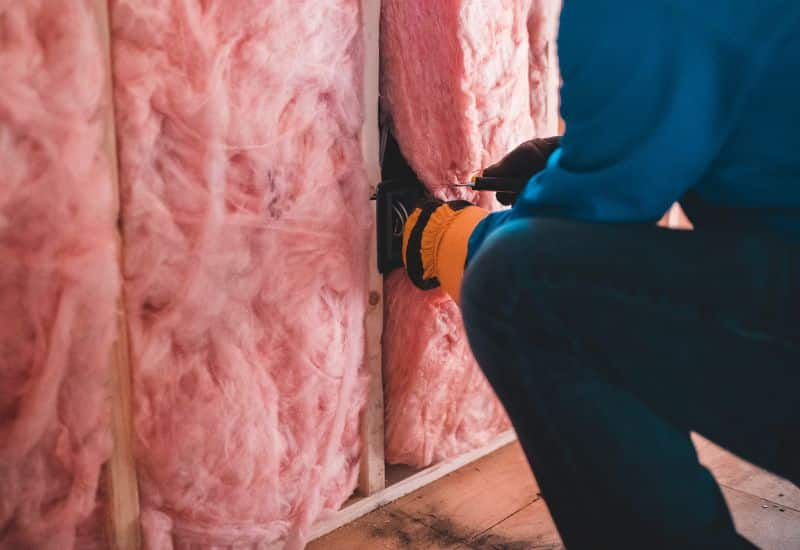
- Home assessment. We inspect the attic, walls, garage, and problem rooms, and document what is already in place.
- Assembly plan. We match each space to a material and a target, and confirm any permit requirements.
- Air sealing. We seal top plates, penetrations, and chase openings first because material alone does not stop air movement.
- Protection and setup. We mask living areas and protect fixtures and equipment.
- Installation. We cut and fit batts without compression. Loose fill is blown to a marked depth. Foam is applied at specified thickness.
- Clearances and ventilation. We keep clearances around flues and fixtures, and keep soffit intake open.
- Walkthrough. We show you the finished assemblies and record materials, coverage, and ratings.
Step five is where most installs go wrong. Compressed batts and thin corners lose rating, and neither shows after drywall is up.
Why Phoenix Homeowners Choose Us for Insulation Installation
Most insulation complaints trace to installation quality, not the product.
- Licensed Arizona building contractor. Arizona ROC 361583, a KB-1 Dual Building Contractor license.
- Bonded and insured. Full coverage on residential and commercial work.
- Veteran-owned and BBB accredited. A local company with a record you can check.
- Building Performance Institute member. BPI training treats a house as one connected system.
- NATE-certified technicians. The same team understands how the envelope affects your equipment.
- Arizona Heat Pump Council member and Trane Comfort Specialist. Standing in the groups that set local expectations.
- Financing available. Spread a whole-home project across payments with our financing options.
- Comfort Club membership. Priority scheduling and two tune-ups a year through the Comfort Club.
Schedule Insulation Installation in Phoenix
Insulation installation is one part of a complete plan. Old material may need removal first, and the attic may need more depth instead.
We offer complete insulation services in Phoenix. For attic floors and closed cavities, blown-in insulation is the best option. We also remove and replace damaged insulation. Our home energy audit shows you where to start.
FAQs About Insulation Installation in Phoenix, AZ
Do I need a permit to install insulation in Phoenix?
Insulation added during an addition, a conversion, or a permitted alteration falls under the Phoenix Building Construction Code. Simple attic top-off work usually does not need its own permit. The answer depends on your scope. We confirm with the city before quoting work that may need inspection.
Which insulation is best for a Phoenix house?
There is no single best material, because the pick depends on the assembly. Attic floors usually take loose fill, since it covers the framing. Open remodel walls take batts. Tight chases and rim joists take spray foam.
Can insulation be installed in walls without tearing out drywall?
Yes. You can fill closed cavities through small access holes with dense packs, then patch. It is standard for older Phoenix homes with bare or thin walls. Open framing is cheaper, so timing insulation with a remodel saves money.
Will new insulation lower my summer power bill?
Usually, though the size of the change depends on where you started. An empty attic and a hot garage wall improve more than a house near the target. Insulation cuts the heat your cooling system has to remove. Pairing it with air sealing beats either step alone.
How long does insulation installation take?
Most single-family projects take one or two visits. Attic work usually takes a day. Dense pack and spray foam depend on square footage and access. Removal work and remodel schedules take longer.
Do you insulate garages and additions?
Yes. Garage ceilings and shared walls are high-value assemblies here because garage heat moves straight into adjacent rooms. We insulate additions and conversions to current code standards. We confirm the assembly before drywall so nothing has to be opened later.

Areas We Serve
- Avondale
- AC Repair
- Heating
- Plumbing
- Buckeye
- Cooling
- Heating
- Plumbing
- AC Install
- Chino Valley
- AC Repair
- Heating
- Plumbing
- Dewey Humboidt
- AC Repair
- Heating
- Plumbing
- Fountain Hills
- Cooling
- Heating
- Plumbing
- Gilbert
- AC Repair
- Heating
- Plumbing
- Guadalupe
- AC Repair
- Heating
- Plumbing
- Litchfield Park
- Cooling
- Heating
- Plumbing
- AC Install
- Paradise Valley
- Cooling
- Heating
- Plumbing
- Prescott
- AC Repair
- Heating
- Plumbing
- Prescott Valley
- AC Repair
- Heating
- Plumbing
- Tolleson
- Cooling
- Heating
- Plumbing
- Williamson
- AC Repair
- Heating
- Plumbing
- Youngtown
- AC Repair
- Heating
- Plumbing
