


Chino Valley stretches across a high grassland plain north of Prescott where summer afternoons turn surprisingly warm and winter nights are genuinely cold. Your AC system has to be ready for both ends of that range. At 1st Choice Plumbing, Air & Insulation, we’ve spent over 20 years keeping Arizona homeowners comfortable in all seasons. We’re licensed, bonded, and insured, available around the clock, and back every repair with a 100% customer satisfaction guarantee.

Chino Valley has seen steady residential growth over the past decade as buyers seek more space and a rural feel within reach of Prescott amenities. The result is a community with a broad range of home ages and HVAC types, from manufactured homes and older stick-built ranches to newer construction with modern split systems. Some agricultural properties on the valley’s edges include equipment configurations that serve both residential and outbuilding spaces.
We provide air conditioning repair in Chino Valley, AZ for all system types. Our approach starts with a thorough diagnostic so we know exactly what’s causing the problem before we recommend a repair. No guessing, no unnecessary parts, just honest work backed by real experience and a clear explanation of everything we find.
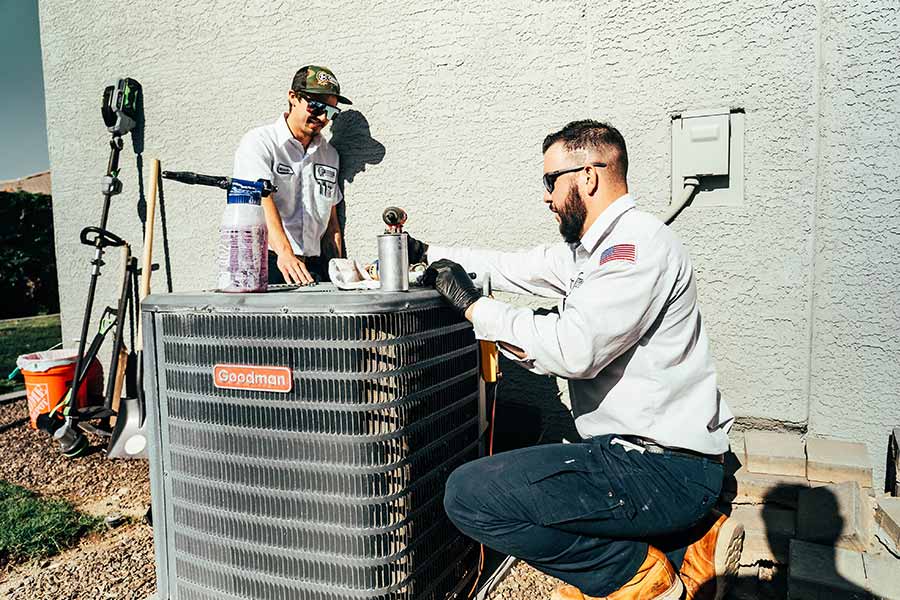
Chino Valley’s dry grassland environment and afternoon heat peaks mean a struggling system won’t hold out long once temperatures climb. These are the signals worth paying attention to:
Chino Valley’s wide temperature range means systems often go from light use to heavy demand quickly in spring. That transition can expose issues that weren’t obvious during the cooler months.
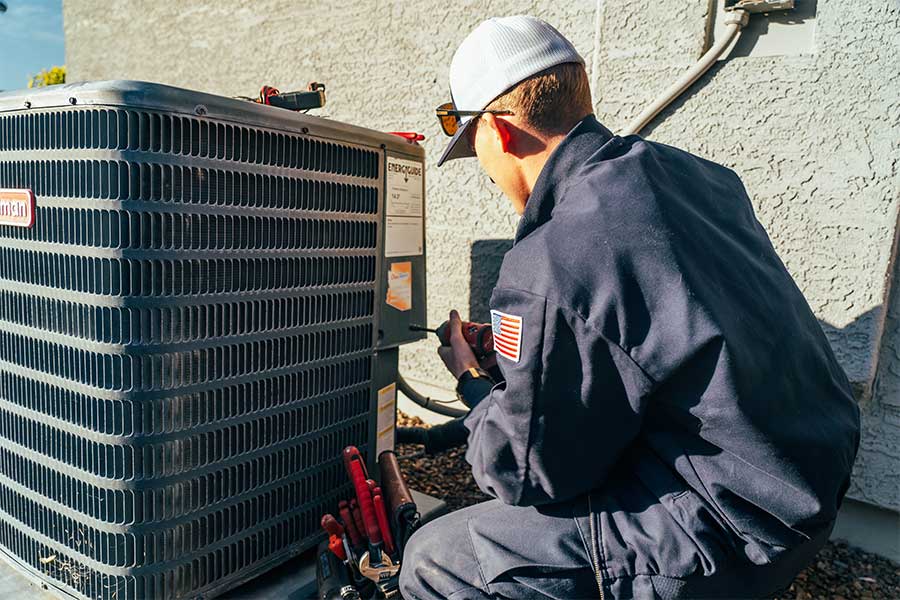
Chino Valley’s grassland setting produces a unique combination of maintenance challenges. Cheatgrass, native grasses, and cottonwood seeds are prolific in late spring and early summer, and they accumulate in condenser coils rapidly. Gusty wind events common to the valley floor drive debris into units from multiple directions, making protective coil covers a worthwhile investment between seasons.
The area’s cold winters mean heat pump systems are more common here than in the lower desert, and heat pumps have their own AC-season failure modes including reversing valve issues and defrost control malfunctions that can affect summer cooling performance. The wide seasonal temperature range also creates significant thermal cycling on refrigerant lines and electrical components, contributing to slow leaks and connection wear that may not surface until the system faces its first real cooling demand of the year.
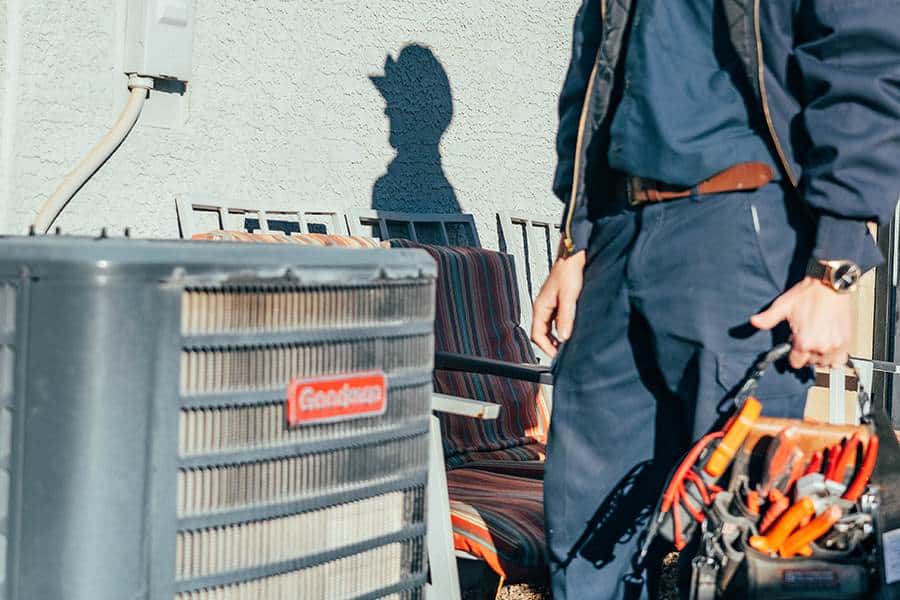
We responded to a call from Sandra in the Sunset Ridge area after her heat pump stopped cooling effectively just as temperatures climbed into the low 90s in early June. The system was running constantly but the home was holding around 80 degrees regardless. Diagnostics pointed to a stuck reversing valve that wasn’t fully shifting the system into cooling mode, leaving it operating in a partial state between heating and cooling cycles.
We replaced the reversing valve, verified refrigerant charge, and ran the system through both heating and cooling modes before leaving to confirm full function. Sandra mentioned she had almost purchased a window unit to get through the week and was glad the repair was completed in a single visit. We recommended a fall tune-up to verify heating performance before the next winter season arrived.
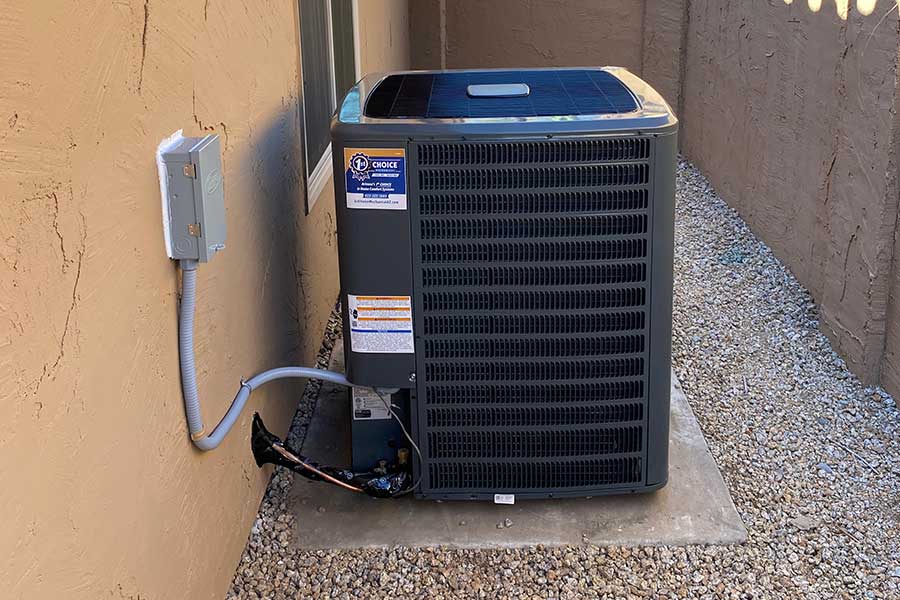
Chino Valley homeowners want quality work from people they can trust. That’s been our standard for over 20 years and it drives every technician on our team. Here’s what you get with every service call:
From Prescott to Chino Valley and across the Quad Cities region, we show up prepared, communicate honestly, and leave every home better than we found it. That’s the 1st Choice difference.
Yes. Heat pumps are common in the Chino Valley area and our technicians are fully trained on both heating and cooling functions, including reversing valve diagnostics and defrost control issues.
Early summer often reveals problems that developed during the off-season. After months of light or no use, refrigerant leaks, debris accumulation, and worn components become apparent under the first real cooling demand.
Grass seeds, cottonwood fluff, and cheatgrass accumulate in condenser coils quickly here. This reduces airflow and efficiency significantly and should be cleared at the start of each cooling season.
Indirectly, yes. Cold temperatures create thermal stress on refrigerant lines and fittings. Heat pump systems also face additional wear on components like the reversing valve that handle both seasons.
Most repairs are completed in one visit. We plan our time appropriately for rural service calls and communicate arrival windows clearly so you’re not waiting around all day.
"*" indicates required fields
