

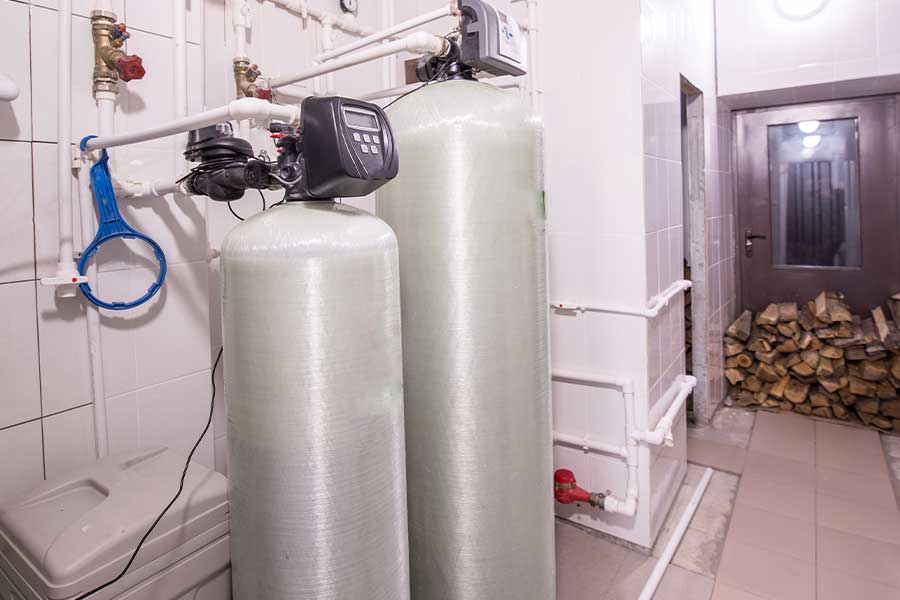
If you’ve noticed some common issues with your water softener in Peoria, AZ, you’re not alone. Many homeowners face these challenges, but there are straightforward fixes you can implement. By addressing these concerns, you can improve your water quality and extend your softener’s lifespan. Curious about the specific steps you can take to tackle these issues effectively? Let’s investigate the five easy fixes that can make a significant difference.
Check the Salt Level and Quality
How often do you check the salt level and quality in your water softener? Regularly monitoring these aspects is vital for maintaining optimal performance.
If the salt level drops too low, your system can’t effectively soften water, leading to mineral buildup in your pipes and appliances. Aim to check the salt level at least once a month, especially in high-demand seasons.
When you inspect the salt, look for signs of clumping or bridging. Clumps can prevent water from dissolving the salt properly, impacting regeneration cycles. If you notice any issues, break apart the clumps or replace the salt altogether.
Using high-quality salt is also important, as impurities can harm your softener. Stick with evaporated salt or solar salt, which dissolve easily and guarantee consistent results. Proper maintenance of your water treatment systems is just as essential as caring for other home comfort systems in your residence.
Inspect the Brine Line for Clogs
While maintaining your water softener, don’t overlook the importance of inspecting the brine line for clogs. A clean brine line is crucial for efficient operation, as it carries the saltwater solution necessary for regeneration.
Start by visually checking the line for any signs of blockage or buildup. If you notice any debris, gently remove it to guarantee smooth flow.
Next, you might want to disconnect the brine line from the water softener and flush it with clean water to clear out any stubborn clogs. If the clog persists, consider using a flexible brush to dislodge obstructions.
Regularly inspecting this line can prevent costly repairs down the road and keep your water softener running efficiently. Remember, a little maintenance now can save you a lot of hassle later, so make it a habit to check the brine line periodically. If you need assistance with any plumbing concerns, professional plumbing services can help ensure your entire water system operates smoothly.
Clean the Resin Tank
Cleaning the resin tank is essential for maintaining your water softener’s efficiency and effectiveness. Over time, minerals and contaminants can build up in the tank, reducing its ability to soften water.
To start, you’ll want to turn off the water softener and disconnect the power supply for safety. Next, drain the tank and remove any residual water.
Use a specialized resin cleaner or a mild solution of vinegar and water to gently scrub the tank walls, ensuring you eliminate any buildup. Rinse thoroughly to prevent any cleaner residue from interfering with the softening process.
After rinsing, refill the tank with fresh resin if it appears worn or damaged. Finally, reconnect the system and power it back on. Regularly cleaning your resin tank not only improves performance but also extends the life of your water softener, ensuring you enjoy soft water for years to come. This type of regular maintenance approach helps optimize the longevity and efficiency of all your home systems.
Verify the Settings and Regeneration Cycle
After cleaning the resin tank, it’s important to confirm that your water softener is set up correctly for ideal performance.
Start by checking the settings on your water softener unit. Verify the hardness level is accurately set based on your water supply. If you’re unsure, you might want to test your water hardness to get precise readings.
Next, verify the regeneration cycle. This cycle determines how often your unit refreshes the resin beads. Depending on your water usage and hardness level, you may need to adjust the frequency. Most systems allow you to set this according to your household’s needs, so don’t hesitate to customize it.
Finally, keep an eye on the timer or control settings, confirming they operate smoothly. A correctly configured water softener can greatly improve your water quality, reducing scale buildup and extending the life of your plumbing fixtures. Optimizing your water quality solutions throughout your home creates a healthier and more comfortable living environment.
Examine the Water Softener Bypass Valve
To guarantee your water softener is functioning correctly, it’s essential to examine the bypass valve. This component controls the flow of water through the softener. If it’s stuck in the bypass position, your water won’t be softened, leading to hard water issues in your home.
Start by locating the bypass valve, typically near the softener unit. Check if it’s in the correct position, making sure it’s not accidentally set to bypass. If you notice any leaks or damage, it may need replacing.
You can likewise clean the valve to remove any debris or buildup, which can prevent proper operation. If everything looks good but the softener still isn’t working, you might need to call a professional.
Regularly inspecting the bypass valve can prevent future issues and maintain your water quality. Keeping this valve in check is a simple yet effective way to guarantee your water softener runs smoothly.

Keep Your Water Softener Running Smoothly
By following these five easy fixes, you can keep your water softener running smoothly and enjoy the benefits of softened water. Are you ready to tackle those common issues and improve your water quality? Regular maintenance not only extends the life of your system but also boosts your daily activities, from showering to laundry. Don’t wait until problems arise—stay proactive and guarantee your water softener is always in top shape! If you’re experiencing persistent issues or need expert assistance with your water softener, schedule a professional inspection with 1st Choice Mechanical today to ensure your system delivers optimal performance year-round.
